Albany Ohio Lawn Care Guide: Beating Clay Soil, Fungal Disease, and Grubs
The Albany Homeowner's Seasonal Lawn Care Survival Guide
If you've ever stared out at your yard after a rainstorm and wondered why puddles refuse to disappear, or scratched your head at mysterious brown patches that seem to spread overnight, you're not alone. Lawns in Albany, Ohio and the surrounding Southeast Ohio region face a unique set of challenges that go far beyond basic mowing and watering. The good news is that most of these problems are entirely preventable with the right knowledge and the right help.
Naturescape Lawn Maintenance Ltd has been helping local homeowners understand and overcome these exact hurdles. This guide breaks down the three biggest threats to Albany-area lawns and explains what you can actually do about them.
The Real Reason Your Lawn Holds Water: Heavy Clay Soil and Compaction
Southeast Ohio is home to some of the most clay-heavy soils in the state, and that single fact is behind more lawn headaches than most homeowners realize. Clay soil is made up of tiny, tightly packed particles that compress easily under foot traffic, pets, and lawn equipment. Once that soil compacts, it becomes nearly impossible for water, oxygen, and nutrients to travel down to your grass roots where they're needed most.
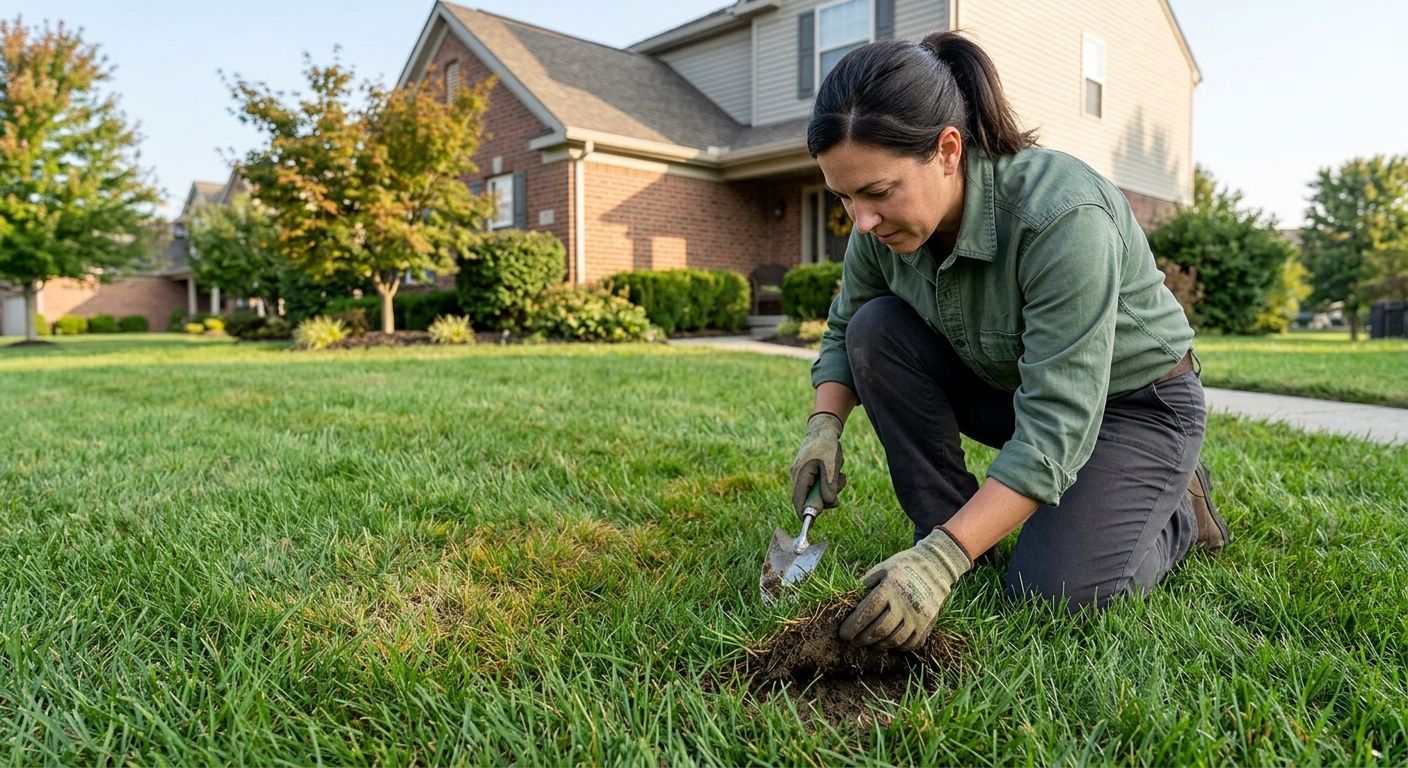
The signs are easy to spot once you know what to look for:
- Puddles or standing water that linger for hours after rainfall
- "Spongy" areas of turf that feel mushy underfoot
- Thinning patches of grass, especially in high-traffic zones
- Runoff along sloped areas of the yard
The most effective professional solution is core aeration, ideally performed in the spring or early fall when cool-season grasses are actively growing. During core aeration, a machine pulls small plugs of soil from your lawn, creating open channels that break up clay clusters and allow roots to breathe again. Think of it as giving your lawn's root system room to expand, absorb nutrients, and finally get the water it needs, rather than watching it all wash away.
If your yard has been struggling for a few seasons, a single aeration treatment can produce dramatically visible improvements within weeks.
Mysterious Patches and Pink Threads: Fungal Diseases in Ohio Summers
Ohio's warm, humid summers create ideal conditions for fungal lawn diseases, and two of the most common ones are frequently misidentified by homeowners.
Dollar Spot shows up as small, round, straw-colored patches roughly the size of a silver dollar. They can look like dry or burned areas of turf. Red Thread produces irregular patches of discolored grass with distinctive pinkish-red threads visible woven through the blades, especially in the early morning.
Here is where many homeowners make a costly mistake: seeing these patches and assuming the lawn is thirsty. More water is added, but the problem gets worse. That's because both of these diseases thrive in damp, humid conditions and are often linked to a buildup of thatch, the thick layer of dead organic matter that accumulates between the grass and the soil surface. Thatch traps surface moisture and creates exactly the humid micro-environment these fungi love.
The path forward involves a few coordinated steps:
- Dethatching to remove the buildup of dead organic matter
- Maintaining a proper mowing height of at least 3 inches, which improves air circulation at the soil level
- Professional fungicide applications using products specifically formulated for Ohio's fungal species
Skipping any one of these steps makes the others less effective. Consistent, professional
lawn care services in Albany, OH are often the difference between a lawn that recovers and one that requires full reseeding.
The Underground Enemy: White Grubs in Late Summer
By the time most homeowners notice grub damage, the worst of it has already happened.
White grubs are the larvae of Japanese beetles, masked chafers, and June beetles. They live beneath the surface of your turf and feed directly on grass roots, severing the plant's connection to moisture and nutrients. The result is irregular patches of brown, dead-looking grass that peel back from the soil almost like loose carpet.
Timing is everything with grub control. Adult beetles lay their eggs primarily in July. By August, those eggs have hatched into actively feeding larvae, making late summer the most destructive window. Turf experts generally agree that lawns can tolerate a small grub population, but once numbers exceed 10 grubs per square foot, the damage can be severe enough to require complete reseeding of the affected areas.
The most effective strategy is preventative treatment applied in mid-summer, before hatching occurs. Reactive treatments after the damage is visible are less effective and more expensive. If you've spotted irregular brown patches in your lawn between July and September, a professional inspection should be your first call.
Why More Albany Homeowners Are Choosing Professional Lawn Care
Research from Ohio State University shows that approximately 22% of Ohio homeowners now outsource their lawn chemical applications entirely to professional companies, a significant shift driven by growing awareness of environmental responsibility and the real risks of improper DIY treatments. Over-application of fertilizers and pesticides can degrade local soil health and contribute to runoff that affects nearby waterways.
Professional lawn care services take a targeted approach: slow-release fertilizers that feed the soil over time, precision weed control aimed at local invasive species like crabgrass and dandelions, and scheduled treatments timed to your specific regional conditions. The result is a healthier lawn with a smaller environmental footprint.
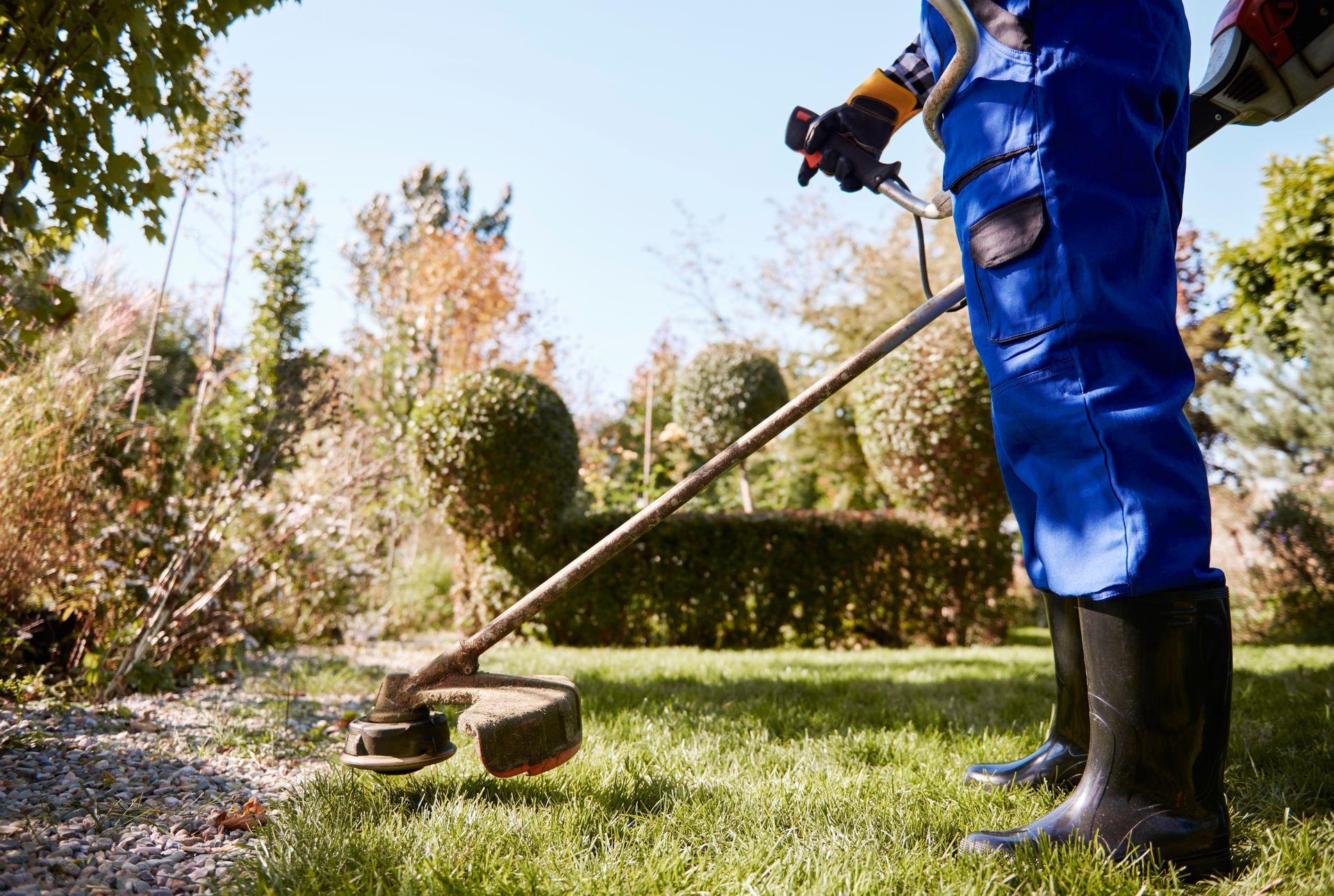
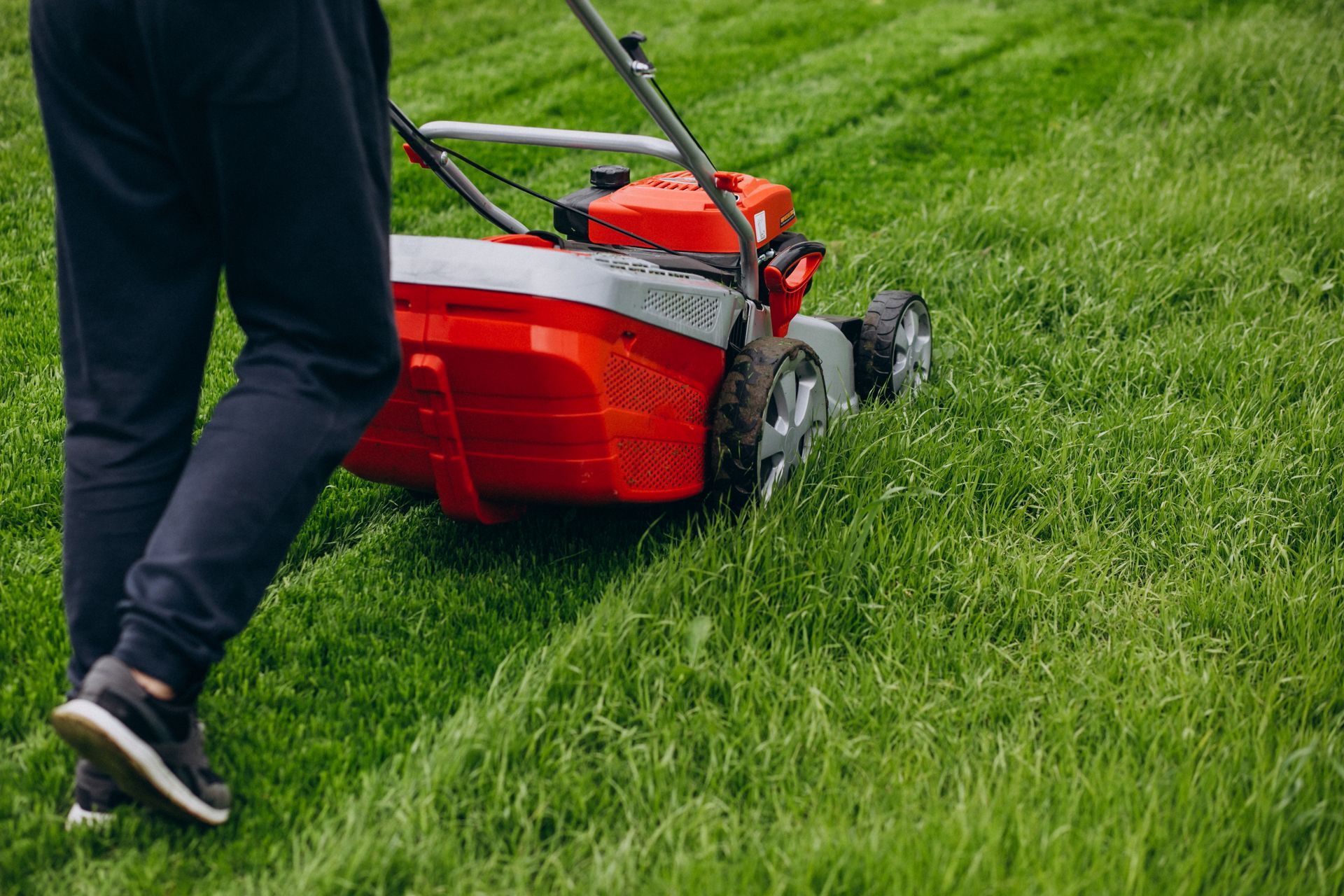
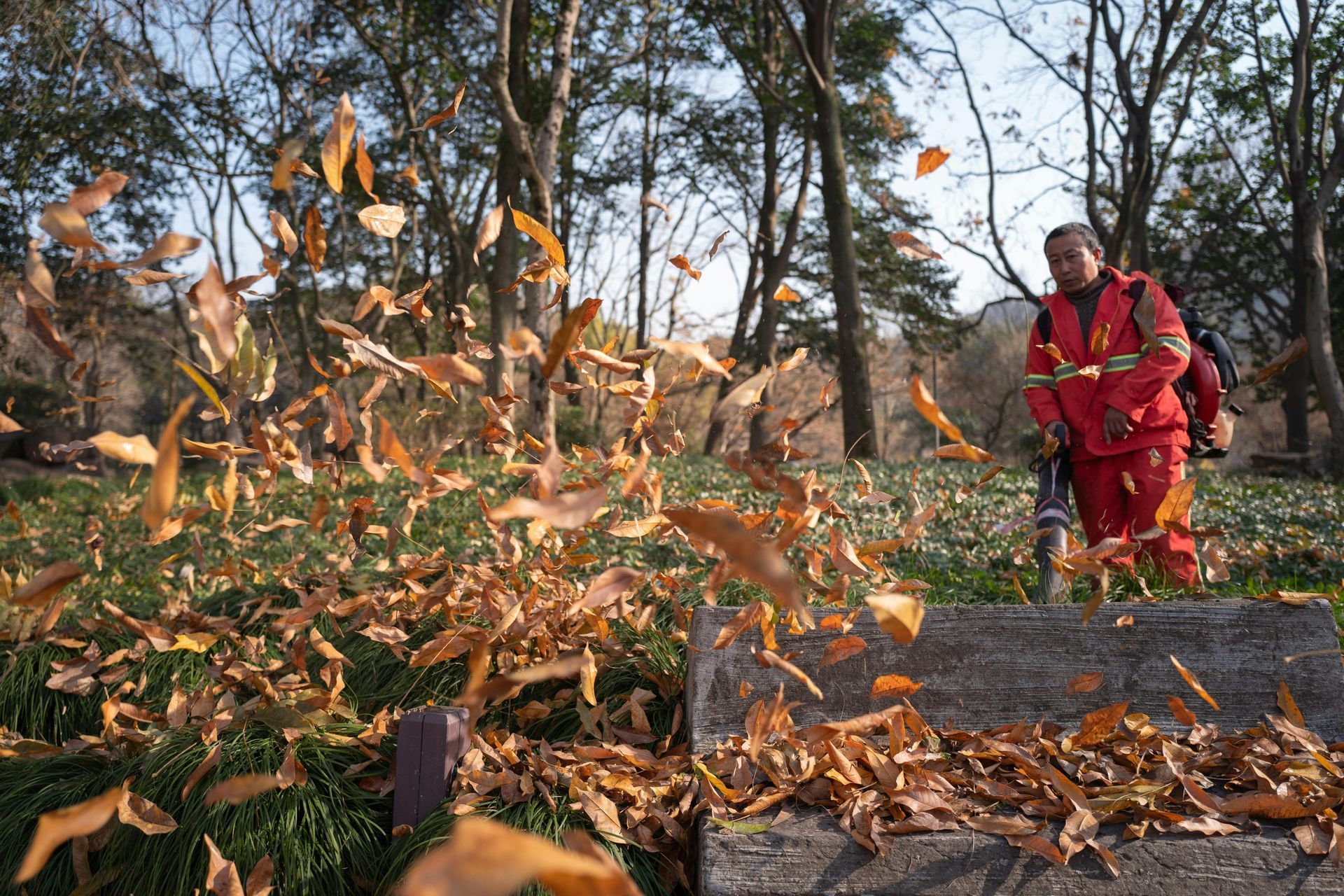
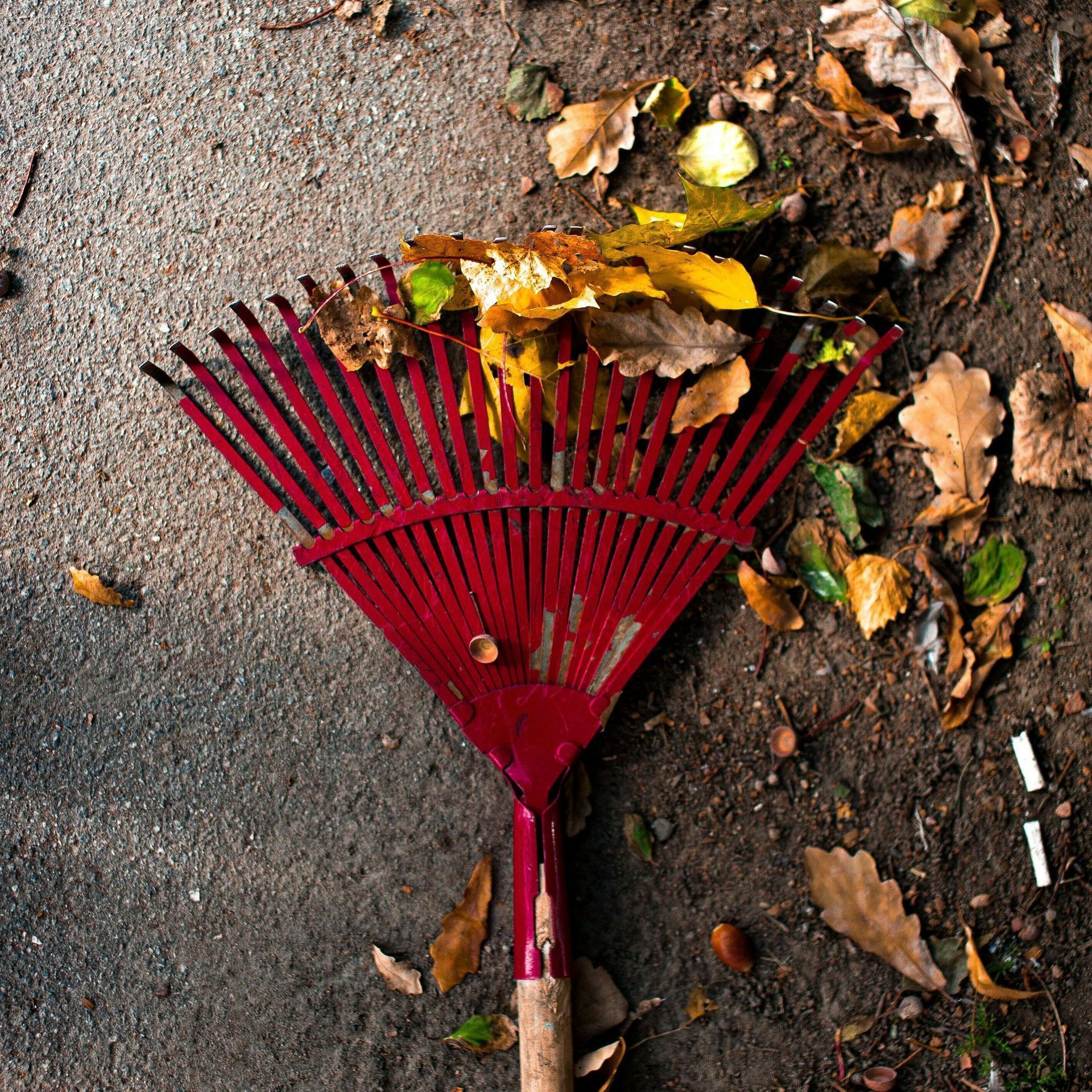
Whether your yard needs routine
lawn mowing services or seasonal
yard clean-up services to wrap up the season right, consistent professional care makes a measurable difference.
Frequently Asked Questions
When is the best time to aerate a lawn in Albany, Ohio?
The best windows for core aeration in the Albany area are early spring (April) and early fall (September). These periods align with active growth cycles for cool-season grasses, giving your lawn the best chance to recover and fill in the channels created by aeration quickly.
How do I know if I have Dollar Spot or Red Thread on my lawn?
Dollar Spot appears as small, roughly circular straw-colored patches about the size of a silver dollar. Red Thread creates irregular discolored patches with visible pinkish-red or coral-colored strands weaving through the grass blades. Both are fungal diseases that worsen with excess moisture and thatch buildup, so adding more water is not the solution.
How many grubs does it take to seriously damage a lawn?
Turf experts recommend treating when grub populations reach 10 or more per square foot. Below that threshold, a healthy lawn can often tolerate some feeding with minimal visible damage. Above it, root destruction can be severe enough to require full reseeding of affected sections.
Is professional lawn care worth it compared to DIY treatments?
For most Albany homeowners, yes. Ohio State University research shows that improper DIY chemical application is a leading cause of soil degradation and local watershed runoff. Professionals apply targeted, properly timed treatments that protect both your lawn and the surrounding environment more effectively than most off-the-shelf products used incorrectly.
What are signs that my Albany lawn has a grub problem?
Look for irregular brown patches that appear between July and September, turf that feels spongy or pulls away from the soil easily, and increased activity from birds, skunks, or raccoons digging in your lawn (they are searching for grubs beneath the surface). Early professional inspection is the best next step.
Don't let clay soil, fungal disease, or underground pests define your lawn this season. Albany homeowners have local experts ready to help.
Get a Free Lawn Assessment from Naturescape